Introduction
The healthcare landscape is continually advancing, and with it, the need for specialized duties is raising. Amongst these roles, ending up being an injury treatment registered nurse sticks out as both satisfying and crucial. Wound care registered nurses are accountable for the assessment, therapy, and administration of various types of wounds, consisting of persistent injuries that typically call for specialized expertise and abilities. If you're considering this profession path or are just thinking about understanding what it entails, you've come to the best location. This short article will certainly explore essential training programs available for aiming injury care experts, look into the skills needed for efficient wound administration, and supply insights right into the everyday duties of a wound care nurse.
What Does an Injury Treatment Nurse Do?
Understanding the Role of a Wound Treatment Nurse
An injury treatment registered nurse focuses on examining and dealing with clients with injuries or abscess. They play a crucial function in guaranteeing proper recovery by using advanced strategies and treatments customized to individual person requirements.
Key Duties Include:
Assessment: Evaluating the type and seriousness of wounds. Treatment Preparation: Creating individualized treatment plans based upon assessments. Wound Management: Applying appropriate dressings and treatments. Patient Education: Advising people on aftercare methods to promote healing.Why Is Wound Care So Important?
Wound treatment is crucial not just for aesthetics yet more notably for health end results. Inadequately handled injuries can result in extreme issues, consisting of infections or prolonged recuperation times.
Becoming a Wound Treatment Registered Nurse: Important Training and Skills
Pathways to Coming to be an Injury Treatment Specialist
To become a wound care registered nurse, several educational paths can be sought:
- Registered Nurse (RN) Program: Start by completing a recognized nursing program (Associate's or Bachelor's degree). Specialized Certifications: After obtaining experience as a registered nurse, you can go after added certifications in wound care.
Wound Treatment Professional Training Programs Available
There are many training programs offered that provide specifically to wound care education and learning:
Basic Wound Treatment Training- Overview of basic principles in wound management. Ideal for new nurses aiming to enter this specialization.
- Focuses on complex cases needing advanced knowledge. Recommended for seasoned registered nurses aiming to specialize further.
- Tailored for nurses managing long-lasting wounds. Emphasizes approaches for efficient chronic wound management.
Essential Abilities Required for Injury Care Nurses
Clinical Abilities That Matter
Effective wound care management needs a mix of professional expertise and soft abilities:

- Assessment Skills: Capability to precisely evaluate wounds. Technical Proficiency: Knowledge in different dressing applications.
Communication Skills are Key
Strong communication abilities enable registered nurses to educate patients efficiently about their conditions:
- Explaining treatment prepares clearly. Addressing person worries compassionately.
The Importance of Proceeding Education And Learning in Wound Treatment Nursing
Why Recurring Training Matters
Medical techniques progress rapidly; hence constant education and learning is extremely important:
- Keeps registered nurses updated on the most up to date treatment modalities. Equips them with arising modern technologies in injury management.
Recommended Continuing Education and learning Opportunities
Consider joining in workshops or meetings focused on wound care innovations:
Annual Injury Recovery Society Conference Online webinars from reputable clinical institutionsWound Treatment Training Courses: A Closer Look
Overview of Available Courses
Various institutions supply detailed training courses covering different facets of injury treatment:
|Training course Name|Period|Focus Location|| -----------------------------------|---------------|--------------------------------------|| Fundamental Injury Treatment|4 weeks|Fundamental skills|| Advanced Wound Monitoring|6 weeks|Complicated cases|| Persistent Abscess Prevention|8 weeks|Lasting techniques|
Choosing the Right Course
When picking a training course, consider your current credentials and career objectives:
- Are you beginning fresh or looking for specialization? What specific area of wound monitoring passions you?
Nursing Wound Care Training Requirements
Academic Prerequisites
To register in a lot of specialized training programs, you'll commonly need:
A legitimate registered nurse license A strong foundation as a whole nursing conceptsCertification Process Explained
After completing your training program, follow these steps to obtain qualification as a wound treatment professional:
Pass the pertinent certification exam (e.g., CWCN) Maintain proceeding education credit reports as called for by licensing bodiesUnderstanding NDIS Wound Care Services
What Is NDIS?
The wound care specialist training National Impairment Insurance coverage Plan (NDIS) provides support for Australians with specials needs, including those who call for customized healthcare like injury management services.
Role of Registered nurses within NDIS Framework
Wound care registered nurses functioning under NDIS have to comprehend exactly how to navigate its guidelines successfully while giving optimum patient-centered care.
Complex Injury Treatment Challenges Dealt With by Nurses
Dealing with Challenging Cases
Complex injuries may provide distinct obstacles such as:
- Infection control Managing comorbidities like diabetic issues
Strategies for Effective Management
Nurses have to use evidence-based techniques when taking on complex cases:
Regular reassessment Collaborating with multidisciplinary teamsChronic Wounds: An Expanding Concern in Healthcare
The Surge of Persistent Conditions
With a maturing population, chronic injuries are coming to be progressively common-- providing significant obstacles within healthcare systems worldwide.
Statistics Highlighting the Problem
According to current research studies:
- Approximately 6 million Americans struggle with persistent wounds annually.
Implications for Nursing Practice
As extra people existing with chronic conditions, there's an urgent demand for skilled specialists concentrating on persistent wound management.
Evaluating Therapy Effectiveness in Wound Management
How Do You Determine Success?
Successful treatment results are assessed with numerous metrics such as:
Rate of healing Patient satisfaction levelsAdjusting Therapy Plans When Necessary
Regular analyses allow registered nurses to make timely adjustments based on exactly how well people react to treatments.
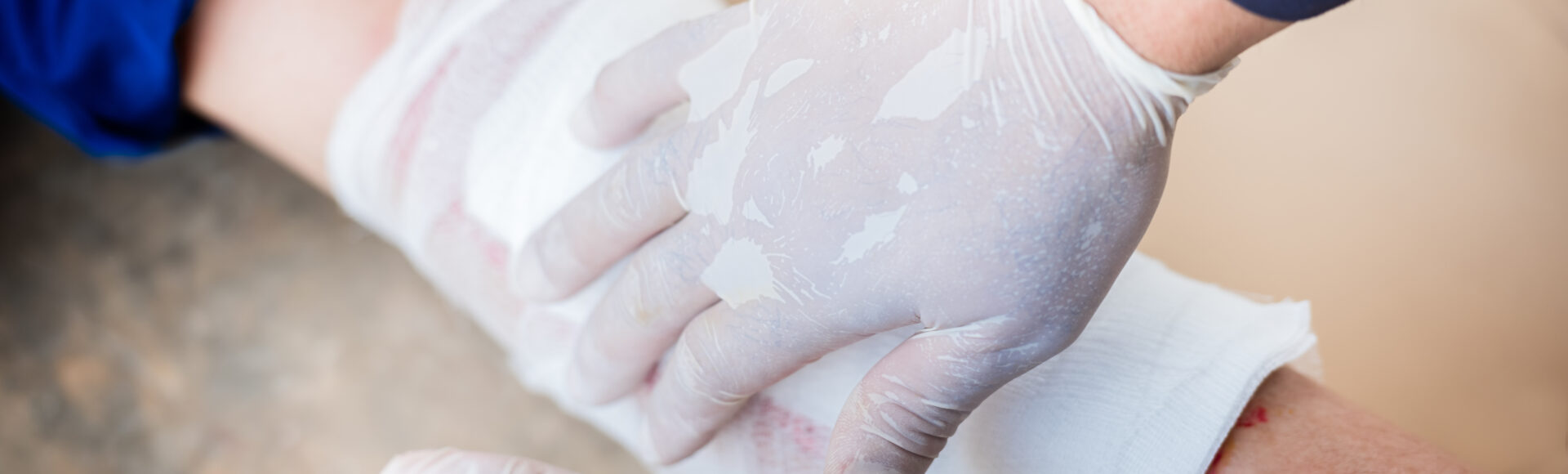
Patient Education: Encouraging Individuals Via Knowledge
Importance of Educating Clients Concerning Their Condition
Empowering people via education enhances their capability to manage their own wellness efficiently-- which eventually brings about far better outcomes!
Techniques For Effective Person Teaching
Consider employing numerous techniques such as aesthetic aids or hands-on demonstrations throughout academic sessions.

FAQ Section
Q1: What qualifications do I require to come to be an injury treatment nurse?
A1: To end up being a wound treatment registered nurse, you usually require at the very least a RN license complied with by specialized training focusing on wound management.
Q2: The length of time does it take to finish wound care training courses?
A2: The duration differs depending on the training course; fundamental training can take around 4 weeks while innovative programs may expand as much as 8 weeks or more.
Q3: Are on the internet courses offered for nursing wound care training?
A3: Yes! Several trusted establishments use on the internet programs that allow versatility while learning more about innovative ideas related to wound management.
Q4: How usually must I seek proceeding education and learning once I end up being certified?
A4: A lot of certification bodies need revival every few years that includes completing continuing education credit scores-- generally around 30 hours over three years is expected.
Q5: Can I work with NDIS customers as a recently qualified nurse?
A5: Yes! Nonetheless, experience with NDIS guidelines will certainly be useful when providing services tailored specifically toward individuals under this scheme.
Q6: What are some usual sorts of complicated wounds encountered?
A6: Typical complicated wounds consist of diabetic person abscess, pressure injuries (bed sores), and venous stasis abscess among others-- each needing details interventions!
Conclusion
In final thought, coming to be a wounded-care nurse includes dedication, ongoing education, and solid professional abilities aimed at boosting patient outcomes via reliable management strategies customized distinctly per case circumstance offered prior to them! As we have actually explored throughout this post-- from fundamental training demands with advanced specialty requirements-- it appears that pursuing this occupation path not only meets personal specialist ambitions but also straight impacts lives positively! Whether you're interested due persistance indicates looking into varied elements surrounding "Becoming A Wounded-Care Nurse" today marks just one progression towards contributing substantially within health industries throughout the globe!